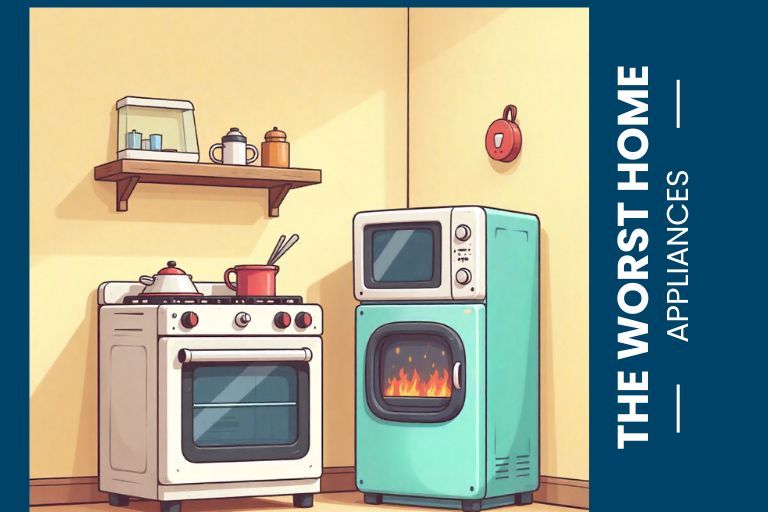
Home appliances and kitchen appliances are designed to make your work easier and upgrade your lifestyle, bringing more comfort and efficiency. The market offers a range of appliances for preserving food, laundry, cooking, and cleaning. Many home appliances play an important role in every household, but not all appliances are equally beneficial. Some appliances get outdated, inefficient, or poorly designed, which can drain electricity and increase your maintenance costs.
Many users are victims of purchasing the worst appliances, mainly when they do not have information about the products. This can lead to higher long-term costs and also negatively affect health, safety, and the environment without the user realizing it.
In this article, we will explore some of the worst home appliances you must kick out, including kitchen appliances, with Alternatives. We also provide other alternatives to these products with more efficient alternatives that deliver better value.
Read More: Popular Home Appliances Brand in Nepal.
Read More: Top Small Appliances Brands in Nepal.
Table of Contents
ToggleThe Hidden Impact of Using the Wrong Appliances at Home
Many home and kitchen appliances do not reflect their effect initially. One of the most common impacts is excessive energy consumption. Appliances with older technology often use more energy than newer technology. Another major issue is frequent repair and maintenance. Appliances that lack modern motor technology, thermal protection, or intelligent control tend to wear out faster.
Health and safety are also important, but are often ignored. This increases the risk of electric shock, overheating, or fire hazards. Besides, there is also an environmental cost, which contributes to higher carbon emissions and unnecessary consumption of energy.
The Worst Home Appliances You Must Kick Them Out, Including Kitchen Appliances with Alternatives
Many home appliances focus on brand name and features when purchasing appliances, but do not focus on material quality, heat exposure, chemical safety, and long-term health impacts. Many popular home appliances are produced to be cheap, lightweight, and visually attractive. Here are some of the worst home appliances you must kick out, including kitchen appliances, and need to reconsider while using them, and consider alternatives.
Aluminum cookware is widely used because it is lightweight, affordable, and heats quickly. Many people are concerned about aluminum cookware, as one of the cheapest cookware, but they are unaware that it is a reactive metal. When cooking acidic, salty, or spicy foods, aluminum can leach into food. In addition, hard anodized cookware is promoted as a safer cookware, but it is considered as safe as long as the coating remains intact. As the hard-anodized is damaged and aluminum is exposed, there is the risk of contamination during everyday cooking.
The Worst Home Appliances You Must Kick Them Out, Including Kitchen Appliances with Alternatives
Many home appliances focus on brand name and features when purchasing appliances, but do not focus on material quality, heat exposure, chemical safety, and long-term health impacts. Many popular home appliances are produced to be cheap, lightweight, and visually attractive. Here are some of the worst home appliances you must kick out, including kitchen appliances, and need to reconsider while using them, and consider alternatives.
Aluminum Cookware

Aluminum cookware is widely used because it is lightweight, affordable, and heats quickly. Many people are concerned about aluminum cookware, as one of the cheapest cookware, but they are unaware that it is a reactive metal. When cooking acidic, salty, or spicy foods, aluminum can leach into food. In addition, hard anodized cookware is promoted as a safer cookware, but it is considered as safe as long as the coating remains intact. As the hard-anodized is damaged and aluminum is exposed, there is the risk of contamination during everyday cooking.
Alternatives to Aluminum and Hard Anodized Cookware
Stainless Steel Cookware
Stainless steel cookware is considered one of the safest alternatives because it is non-reactive, making it suitable for all types of cooking, and does not leach metals and maintaining food purity.
Cast Iron and Traditional Iron Cookware
Cast Iron and Traditional Iron Cookware an excellent appliance for high-heat cooking and naturally enrich food with iron, which benefits your health. These tools are also durable without any harmful chemical coating, making them ideal for daily cooking.
Plastic Kitchen Appliances
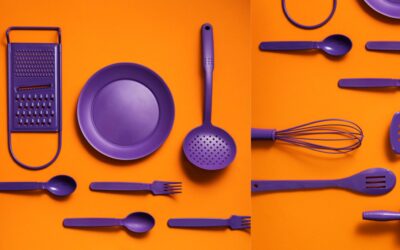
Nowadays, many kitchen appliances are available, such as electric kettles, food processors, mixers, and grinders, and other appliances use plastic parts that come into direct contact with food or heat. Over time, heat, friction, and repeated use of these materials can cause plastic to degrade, releasing microplastics and chemicals into food. There is a high risk when appliances are used daily for hot food preparation, with long-term health concerns.
Alternatives to Plastic Kitchen Appliances
Appliances with stainless steel, steel interiors, and glass containers can be considered as far safer appliances with high heat resistance, hygienic, and do not contain odors or bacteria. These materials are also considered durable, safer, and have improved lifespan.
Plastic Water Bottles and Dispensers
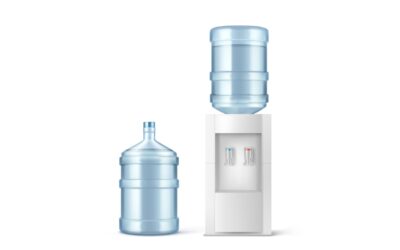
Plastic water dispensers are a major source of micro plastic exposure. Heat, sunlight, and long-term storage can cause plastic to break down, releasing particles into water. Additionally, reusing bottles or storing water for extended periods can increase chemical contamination, which directly affects consumer health.
Alternatives to Plastic Water Bottles and Dispensers
Stainless Steel Bottles
Stainless steel bottles are durable, temperature-resistant, and safe for daily use.
Copper Bottles
If you use copper bottles correctly, it improves water quality and purifies water naturally.
Glass Dispensers
Glass dispensers help purify water without chemical interaction, making cleaner and safer drinking water.
Electric Rice Cookers with Non-Stick Inner Pots
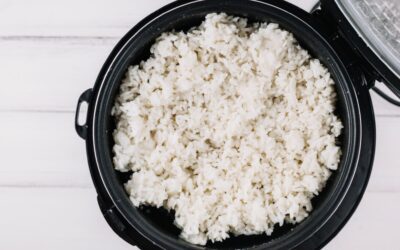
The market offers various types of rice cookers. There are also types of rice cookers that come with non-stick inner pots that scratch easily with daily use. Once it is scratched, the coating gets deteriorates and mix with rice during cooking. As we Nepalese consume rice daily in many households, repeated exposure can degrade the coating and become a serious concern.
Best Alternatives to Electric Rice Cookers with Non-stick Inner pots
Rice Cooker with Stainless Steel Pots
Rice cookers with stainless steel pots eliminate coating risks and are considered durable, non-reactive, and easy to clean.
Traditional Stainless Steel Pressure Cookers
The appliance is an excellent option offering faster cooking, better texture, and long-term safety.
Non-Stick Cookware (Cheap or Old)

Cheap or old non-stick cookware is the most dangerous item we use in our modern kitchen. As the coating wears off due to scratches and overheating, it begins to peel and mix with food, which releases harmful fumes. Therefore, we highly recommend avoiding old or cheap non-stick cookware.
Alternatives to Non-Stick Cookware
Cast Iron Cookware
Cast iron cookware develops a natural non-stick surface, making it suitable for frying and roasting.
Stainless Steel Cookware
Stainless steel cookware offers durability and safety for everyday cooking.
High Quality Ceramic Cookware
High-quality ceramic cookware provides non-stick benefits without toxic coating, making it a safer appliance with high heat and long-term performance.
Plastic Food Storage Containers

Plastic food storage containers are commonly used for easy purposes, but these containers can easily stain, absorb odors, and release chemicals when they are exposed to heat or oil. Reheating food in plastic containers can increase chemical migration, even when the products are labeled as BPA-Free.
Alternatives to Plastic Food Storage Containers
Glass Containers and Stainless steel storage boxes
Glass containers are chemically inert and do not absorb smells and stainless steel containers are durable, hygienic, and maintain freshness and also eliminate chemical migration.
Melamine Dinnerware

Melamine Dinnerware, including plates and bowls, are lightweight and attractive, but it is not suitable for hot food. When these foods are exposed to heat, melamine can release harmful chemicals that migrate into food. Also, when there are any cracks and scratches, make melamine becomes unsafe for regular use.
Alternatives to Melamine Dinnerware
Glass, Ceramic, and Stainless Steel Dinnerware
Glass, Ceramic, and Stainless Steel are the best alternatives to preserve food purity and safe for hot meals.
Low-Quality Air Fryers with Plastic Interiors
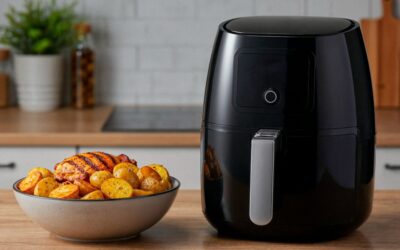
Many budget air fryers available on the market often come with plastic interiors or components near the heating element. Continuous exposure to high heat causes plastic degradation, which releases harmful fumes and affects food quality, our health, and ultimately reduces appliance lifespan.
Alternatives to Air Fryers with Plastic Interiors
Air Fryers with Stainless Steel Interiors
Some Air Fryers consist of stainless steel interiors to handle high temperatures safely, and are easier to clean.
Convection Ovens with Air Fryer Function
Convection ovens with an air fryer function come with a similar function with better heat distribution and long-term durability, ensuring safe cooking and consistent performance.
Conclusion
Most individuals do not realize that the impact of daily appliances on our health and living environment is much larger than they think. Everyday products such as cookware, food storage, water containers, and cooling appliances are made from materials that deteriorate over time, releasing unwanted substances that reducing food and air quality. Aluminum, plastic, low-quality non-stick coatings, and poorly designed appliances might be a little convenient in the short run, but their long-term impact on health, hygiene, and durability makes them not recommended for daily use.
By completely and gradually replacing these worst home and kitchen appliances with safe and sustainable alternatives such as stainless steel, cast iron, iron, glass, ceramic, copper, and natural wood, the home becomes a healthier and more sustainable one. These materials are non-reactive, heat-stable, long-lasting, and have been proven safe all through generations of use. The shift does not have to happen at once—starting with the most frequently used items will already create a significant difference.
A healthy home in the end is not evaluated in terms of modern technology or affordable appliances but, by how safe they are for everyday living. By selecting good quality materials and smartly designed appliances, you are not only protecting your family’s health but also enhancing the standards of cooking and food storage and receiving a better value in the long run. Discarding harmful appliances is not a setback but rather an intelligent choice that leads to a cleaner, safer, and more conscious lifestyle.